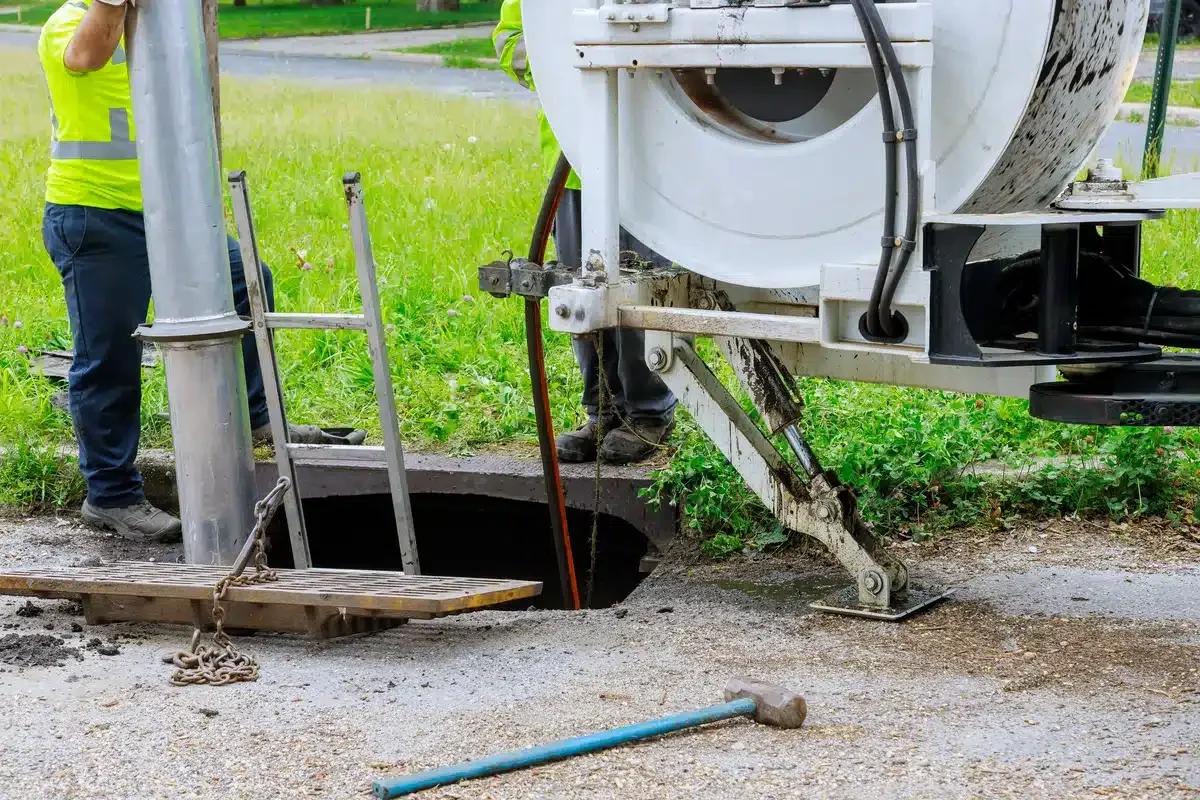
Comparing Repair vs. Replacement for Underground Sewer Lines
When a sewer line starts causing problems, many homeowners hope a simple repair will be enough. In some cases, that is true. A small damaged section, minor root intrusion, or a limited blockage may be corrected without replacing the entire line. However, when problems keep returning or the pipe has widespread deterioration, replacement may be the safer long-term choice.
Understanding the difference between repair and replacement can help homeowners make a more confident decision after an inspection.
When Sewer Line Repair May Be Enough
Sewer line repair is usually considered when the damage is limited to one area. For example, a short crack, a small offset joint, or a localized root problem may not require a full replacement. If the rest of the pipe is still stable and properly sloped, a targeted repair can restore flow while keeping the project smaller.
Repair may make sense when:
The damage affects only one short section of pipe
The pipe material is still in good overall condition
There is no major sagging or collapse
The issue has not caused repeated backups
Access to the damaged area is reasonable
A licensed plumber can evaluate whether a repair will solve the cause of the problem or only delay a larger issue.
When Replacement Becomes the Better Option
Replacement is often recommended when the sewer line is too damaged, deteriorated, or unstable for a simple repair. Older pipes may have multiple weak spots, making it difficult to justify fixing only one section. In other cases, the same problem returns because the pipe itself no longer supports reliable flow.
Replacement may be the better choice when:
Multiple areas of the pipe are cracked or failing
Tree roots keep entering through damaged joints
The pipe has collapsed, flattened, or shifted severely
There are frequent backups affecting several fixtures
Cleaning only provides temporary relief
When several sinks, tubs, or toilets slow down at the same time, the issue often points to the main sewer line rather than a single fixture. That type of pattern usually requires a closer look at the full system.
Why Inspection Comes First
The right decision starts with an accurate diagnosis. A camera inspection allows plumbers to see what is happening inside the pipe, including cracks, roots, buildup, bellies, offsets, or collapse. Without that information, it is difficult to know whether repair or replacement will provide the best result.
A contractor offering professional plumbing services for sewer line evaluation can explain the condition of the pipe, where the damage is located, and whether the problem is isolated or widespread. This helps homeowners avoid repeated service calls and unnecessary excavation.
How Trenchless Options Fit Into the Decision
Modern sewer replacement does not always require a long trench through the yard, driveway, or landscaping. In many cases, advanced trenchless sewer replacement solutions can restore or replace the line through small access points.
These methods may be helpful when the existing line still has a usable path and the property owner wants to reduce surface disruption. Pipe lining can create a new pipe inside the old one, while pipe bursting can replace the old line by pulling a new pipe into place. The best method depends on pipe condition, slope, material, access, and local requirements.
However, trenchless methods are not right for every property. If the line has major sags, severe collapse, or access limitations, traditional excavation may still be necessary.
Choosing the Right Long-Term Solution
Sewer line decisions should be based on the full condition of the pipe, not just the desire for the quickest fix. A repair may be practical for limited damage, while replacement may provide better value when problems are widespread or recurring.
For homeowners facing repeated backups, aging pipes, or underground damage, exploring modern trenchless sewer replacement options can help reduce disruption while restoring long-term reliability.
The best solution is the one that fixes the root problem, protects the property, and keeps the plumbing system working safely. With a clear inspection and the right professional guidance, homeowners can make a confident choice between repair and replacement.
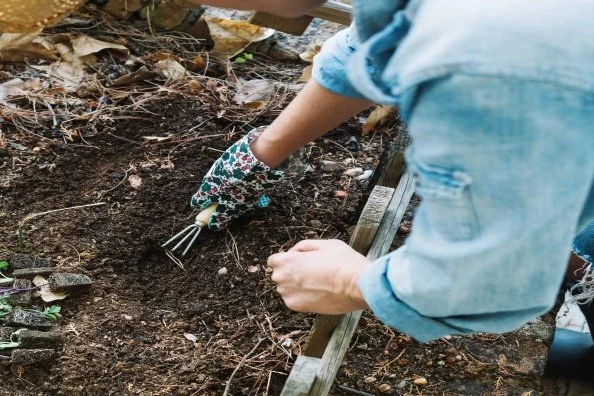
Spring Landscaping Projects That Can Accidentally Damage Sewer Lines
Spring is a popular time for outdoor upgrades. Homeowners begin planting trees, installing garden beds, or refreshing driveways and patios after the winter months. While these projects can improve curb appeal, they can also create unintended risks for underground plumbing. Sewer lines often run directly beneath areas where landscaping work takes place, and even small disturbances can lead to costly problems if the pipe is damaged.
Why Landscaping Can Affect Sewer Lines
Most sewer lines are buried several feet below the surface, but they are still vulnerable to pressure, digging, and shifting soil. Without a clear understanding of where the line is located, it is easy to accidentally interfere with it during routine projects.
Common landscaping activities that can pose a risk include:
Planting trees or large shrubs near sewer lines
Installing fences, posts, or retaining walls
Excavating for irrigation or drainage systems
Driving heavy equipment over buried pipes
Regrading soil or changing slope around the home
Even if the pipe is not immediately broken, these activities can weaken joints or alter the soil support around the line, leading to problems over time.
The Role of Tree Roots in Future Damage
One of the most common long-term risks comes from planting trees too close to sewer lines. As roots grow, they naturally seek out moisture. Small cracks or loose joints in a pipe can attract roots, which then expand inside the line and restrict flow.
Over time, this can result in slow drains, recurring clogs, or structural damage that requires repair. Problems affecting multiple fixtures often indicate that the issue lies deeper in the main sewer line rather than at a single drain.
Why Damage Is Not Always Immediate
In many cases, sewer line issues caused by landscaping do not appear right away. A pipe may continue to function for months or even years before symptoms develop. Soil shifts, minor cracks, or gradual root intrusion can slowly reduce flow until a backup occurs.
This delayed effect can make it difficult to connect the problem to the original landscaping project. By the time warning signs appear, the damage may be more extensive and require a more involved repair.
Safer Ways to Approach Outdoor Projects
Before starting any landscaping work, it is important to locate underground utilities and understand where sewer lines run across the property. Professional guidance can help reduce the risk of accidental damage and ensure that projects are completed safely.
If a sewer line is already aging or showing signs of wear, homeowners may want to consider proactive solutions. In many cases, advanced trenchless sewer replacement solutions can restore the pipe with minimal disruption to landscaping, making them a practical option before or after outdoor improvements.
These methods often work best when the pipe still has a continuous path and has not completely collapsed. A proper inspection helps determine whether trenchless techniques are appropriate for a specific property.
Working with a provider that offers professional plumbing services for underground system protection can help homeowners plan projects while safeguarding critical infrastructure.
Protecting Your Investment
Landscaping projects are meant to enhance a property, not create hidden problems beneath the surface. Taking a few preventive steps before digging or planting can protect both your yard and your plumbing system.
If damage has already occurred or recurring issues begin to appear, exploring modern no-dig sewer line replacement options may provide a long-term solution without undoing recent improvements.
Spring is the perfect time to invest in your outdoor space, but it is equally important to protect what lies below. With careful planning and the right professional support, homeowners can complete landscaping projects with confidence while keeping their sewer systems functioning properly.
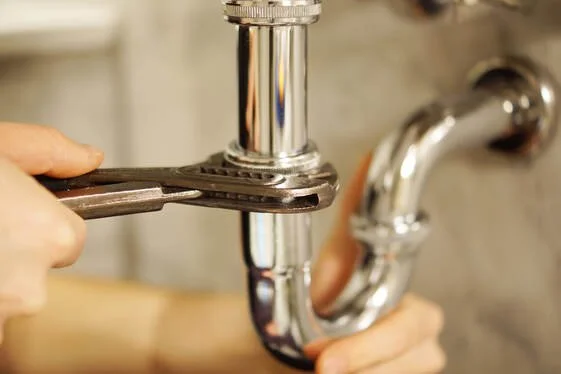
Top Plumbing Services for Older Homes in the Bay Area
Many neighborhoods across the Bay Area feature older homes with original plumbing systems that were built long before modern materials and installation standards became common. As these homes age, drain cleaning and repair often become necessary to keep water flowing smoothly and prevent sudden failures. A real-life scenario shows why understanding the right plumbing services can help preserve the value and integrity of an older home.
Scenario: A Home With Aging Pipes and Persistent Drain Issues
Consider a homeowner in a century-old Bay Area property who begins noticing slow drains, gurgling sounds, and occasional backups in the kitchen sink. These issues appear gradually, leading the homeowner to attempt minor drain cleaning and repair before realizing that the underlying problems might be connected to aging infrastructure. Older pipes often contain mineral buildup, corrosion, or root intrusion, all of which can trigger recurring blockages.
Why Older Homes Require Specialized Plumbing Services
Older homes often contain galvanized steel or cast-iron pipes, which can deteriorate over time. These materials tend to corrode internally, narrowing the pipe walls and restricting water flow. Drain cleaning and repair services that use safe, modern equipment can remove buildup without damaging fragile pipes.
Seasonal Maintenance Needs in Aging Bay Area Homes
Older homes often face seasonal stresses that can worsen existing plumbing issues. Seasonal maintenance, such as checking cleanouts before heavy rain or inspecting exposed pipes before cooler weather, reduces the likelihood of sudden failures. Proactive steps help prevent emergencies that often affect older plumbing systems at the worst times.
Drain Cleaning and Repair for Aging Infrastructure
Drain cleaning and repair is one of the most effective services for older properties. Professional cleaning removes layers of buildup that accumulate over decades. Mechanical methods, such as snaking or hydro jetting, are selected based on pipe condition. When older pipes are too fragile for aggressive cleaning, alternative methods can be used to protect the system while still improving flow.
Protecting Aging Water Heaters in Older Homes
Homes built several decades ago often contain older water heaters as well. The Department of Energy notes that sediment buildup, corrosion, and reduced efficiency become more likely as units age. Seasonal flushing and inspection help extend water heater lifespan and prevent unexpected failures during high-demand periods.
Scenario Outcome: Preventing Escalating Problems
In the example above, the homeowner discovered that multiple drains were connected to an aging main line that needed targeted repair. By using professional inspection and cleaning services, the problem was resolved without major excavation. Seasonal preparation and follow-up maintenance helped prevent additional issues, allowing the home to operate more efficiently year-round.
Key Takeaways
Older Bay Area homes often require specialized plumbing services
Seasonal changes can worsen existing plumbing weaknesses
Professional inspections reveal hidden issues in aging pipes
Drain cleaning and repair improves flow without damaging older materials
Proactive maintenance prevents recurring blockages
Plumbing systems in older homes need thoughtful care to remain reliable. Understanding how seasonal changes, pipe materials, and decades of use affect performance helps homeowners make informed decisions. With the right services and proactive maintenance, older Bay Area homes can operate more efficiently and avoid costly plumbing disruptions.